The importance of agriculture Benefits and Function
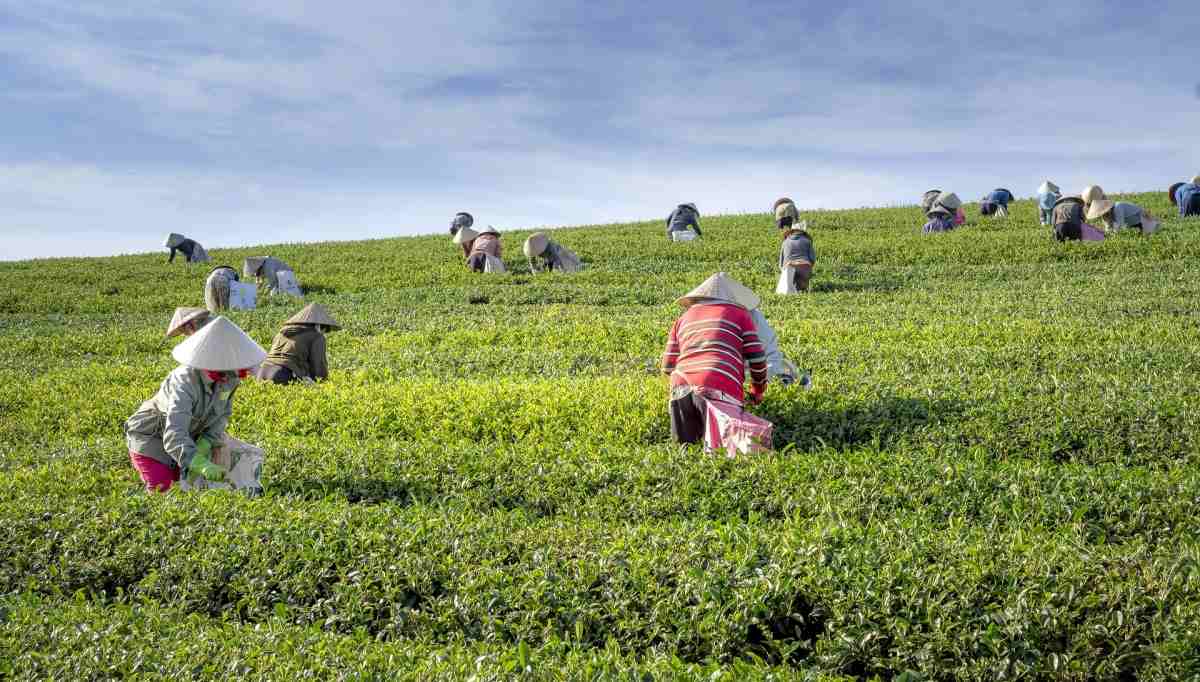
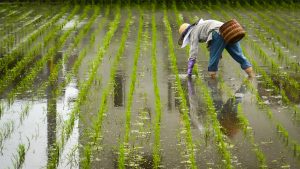
When people think about agriculture, they frequently picture crop farming, which involves preparing the soil and the field for sowing, fertilizing, irrigating, and harvesting various plant and vegetative species.
But, in the U.S., Crop farming is merely one component of the Agriculture, Forestry, Fishing, and Hunting industries, according to the North American Industry Classification System (NAICS) of the Census Bureau. Agriculture also includes raising cattle, commercial forestry, fisheries, and agricultural support services like trucking and equipment repair.
What makes agriculture so crucial? It supports life by giving us the food we require to exist. In addition, it provides the American economy with $7 trillion. Despite the significance of agriculture, the Economic Policy Institute claims that farmworkers are among the lowest-paid Americans.
Agriculture, however, also offers chances for economic fairness and promotes human prosperity worldwide. For instance, the United States Agency for International Development reports that since 2000, Sub-Saharan Africa’s agricultural growth rate has exceeded that of any other region in the globe (about 4.3% yearly), contributing to the region’s economic expansion (USAID). According to employment indicators from the Food and Agriculture Organization of the United Nations, there has been a global reduction in agricultural jobs, from 1 billion in 2000 to 883 million in 2019. Yet, agriculture is still the second-highest source of employment (26.7% of all work).
Agriculture: What Is It?
Developing natural resources for economic gain and human sustenance is known as agriculture. It blends innovative production techniques and cutting-edge technologies with the creativity, inventiveness, and expertise required for raising animals and cultivating crops.
Commodities, or essential goods utilized in commerce, such as grain, livestock, dairy, fiber, and raw materials for fuel, are also provided by agriculture to the world economy. For instance, according to The Balance Small Business, fiber is the top crop produced in the United States and is a crucial commodity for the apparel industry.
The importance of agriculture
The output of agriculture, which ranges from producing raw materials to contributing to the global supply chain and economic growth, is a crucial factor in why it is significant to business and society.
Making Available Raw Materials
A vital pillar of the world economy is raw resources. Producing goods is impossible for manufacturers without access to natural resources. Steel, minerals, and coal are examples of nonagricultural raw materials. However, many primary materials come from agriculture, such as herbs that provide food taste and lumber for building materials. For instance, corn is used to make food and is the source of the fuel ethanol. Resins, which are another illustration, are plant-based compounds utilized in various industrial applications like construction-related adhesives, varnishes, and paints.
Building a Robust Supply Chain
Agriculture-related products must be transported via trucking, rail, and ocean freight when imported and exported. The worldwide supply chain may be impacted by delays in shipping agricultural items from a Los Angeles port to China and vice versa.
According to the Iowa Soybean Association, delays in transporting South American harvest, among other things, caused sales of Iowan soybean crops to soar in 2021. From a competitive sense, Iowa benefited in this instance. Delays in delivering harvests, however, might also harm areas waiting for them, restricting the number of goods available on shop shelves and impacting livelihoods.
supporting economic growth
Due to its connections to other economic sectors, which support job creation and promote economic development, agriculture impacts world trade. According to USAID, nations with robust agricultural sectors see increases in employment across all industries. Since producers in these nations innovate through technology and farm management practices to boost agricultural productivity and profitability, countries with solid agricultural infrastructure and rising agricultural productivity also have greater per capita incomes.
How Important Is Agriculture?
The IT sector receives a lot of attention when global supply networks are interrupted. For instance, a manufacturer’s ability to create computers, cars, and other items is constrained by the lack of computer chips made from silicon, a nonagricultural raw element. Many facets of society and business are affected by this.
In a world with interconnected economies, agriculture also plays a crucial part in meeting consumer and commercial market demand. Here are some examples of various agricultural goods.